
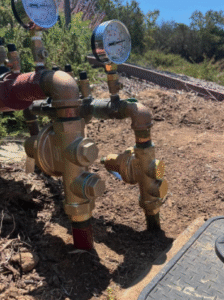
Ensuring the safety and quality of drinking water is a top priority for property owners and managers. One critical aspect of maintaining water quality is preventing backflow, which can contaminate clean water with harmful substances. Backflow testing services play a pivotal role in safeguarding water systems by detecting and addressing potential risks. This article delves into the essentials of backflow testing services, highlighting their significance, process, and the professional strategies available to secure your property’s water supply.
Understanding Backflow and Its Risks
Backflow occurs when there is a reverse flow of water, potentially bringing contaminants into the clean water supply. Such incidents can lead to serious health hazards, making regular backflow testing imperative for any property.
- Backflow can result from changes in pressure within the water system.
- Contaminants may include chemicals, bacteria, and other hazardous substances.
- Properties with irrigation systems, pools, or industrial operations face higher risks.
To mitigate these risks, it is essential to implement rigorous testing protocols. Discover expert strategies here.
The Process of Backflow Testing
Initial Assessment
The process begins with a comprehensive assessment of the property’s plumbing and water systems. This initial phase identifies potential risks and areas requiring attention.
Testing Procedures
During the testing phase, certified professionals employ specialized equipment to evaluate the functionality of backflow prevention devices. This includes:
- Inspecting valves and seals for wear and tear.
- Testing pressure levels to ensure proper operation.
- Identifying any existing or potential leaks.
Professionally conducted tests provide detailed insights into the condition of backflow prevention systems. Learn about our tailored solutions.
Reporting and Recommendations
Post-testing, an exhaustive report is generated, outlining the findings and suggesting necessary actions. Recommendations may involve repairs, replacements, or further monitoring to ensure compliance with safety standards.
Benefits of Regular Backflow Testing
Regular testing offers numerous advantages, ensuring both regulatory compliance and peace of mind for property owners.
- Protects public health by preventing contamination.
- Ensures compliance with local and national regulations.
- Early detection of issues can prevent costly repairs.
- Enhances the efficiency and lifespan of water systems.
By prioritizing regular testing, property owners can maintain a safe and reliable water supply. Explore advanced guides and tips.
Choosing Professional Backflow Testing Services
Selecting a reputable service provider is crucial to ensure thorough and effective testing. Consider the following factors:
- Certification and experience of technicians.
- Comprehensive testing and reporting procedures.
- Customer reviews and industry reputation.
- Availability of ongoing support and consultation.
Partnering with a trusted provider ensures adherence to the highest standards of safety and quality. Find out more about this approach.
Conclusion
Backflow testing is an essential service for maintaining the integrity of a property’s water supply. By understanding the risks, processes, and benefits associated with backflow prevention, property owners can make informed decisions to protect their investments and ensure public safety. Regular testing not only complies with regulatory requirements but also fortifies the trust and confidence in a property’s water system. For expert guidance and professional services, property managers are encouraged to seek out experienced and certified providers.
