
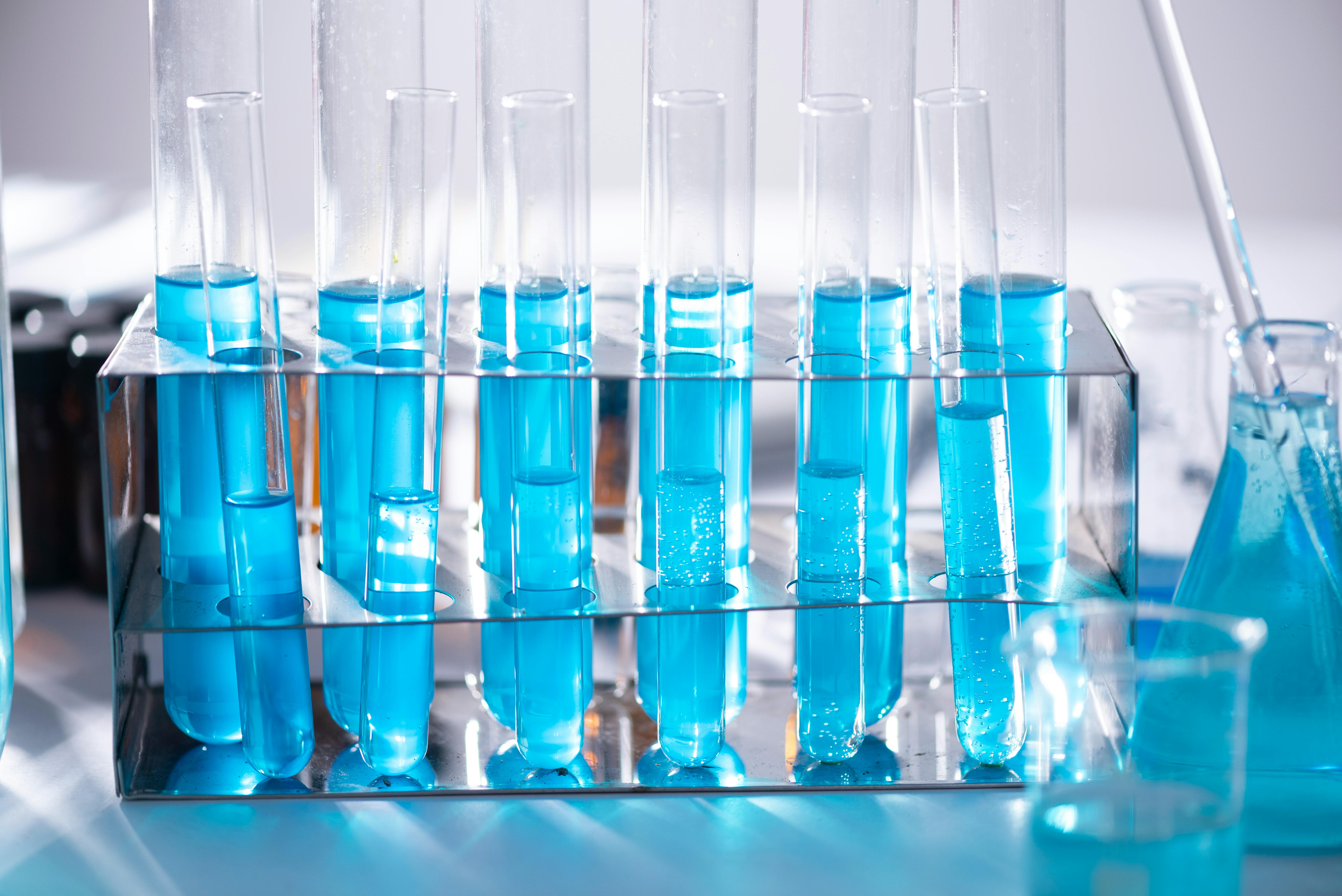
Bacteriological testing services play a crucial role in ensuring the safety and quality of products across various industries. Whether it’s for food and beverage, pharmaceuticals, water treatment, or environmental monitoring, precision in bacteriological testing is paramount. These services help in identifying harmful bacteria, ensuring compliance with health regulations, and maintaining public safety. Given the importance of accurate and reliable testing, the demand for these services continues to grow. Laboratories equipped with advanced technologies and skilled professionals are essential in delivering precise results that industries depend on for decision-making.
Importance of Bacteriological Testing
Bacteriological testing is vital in multiple sectors due to its ability to:
- Identify pathogenic bacteria that could lead to health hazards.
- Ensure compliance with regulatory standards and guidelines.
- Maintain product quality and safety for consumers.
- Prevent contamination during production and distribution processes.
- Support environmental conservation by monitoring bacterial levels.
For those looking to delve deeper into the significance of these tests, explore further insights here.
Methods of Bacteriological Testing
Traditional Methods
Traditional methods of bacteriological testing include culturing techniques where samples are incubated to allow bacteria growth. These methods, while reliable, often require longer timeframes to produce results. Common techniques include:
- Plate Count Method: Used to estimate the number of viable bacteria in a sample.
- Membrane Filtration: Suitable for liquid samples, providing precise bacterial counts.
- Multiple Tube Fermentation: Detects coliform bacteria through observed gas production.
To understand more about traditional testing methods, find additional information here.
Modern Techniques
Advancements in technology have introduced modern bacteriological testing methods that offer speed and accuracy. These include:
- Polymerase Chain Reaction (PCR): Detects bacterial DNA, offering rapid and specific results.
- Mass Spectrometry: Identifies bacteria based on protein profiles.
- Automated Systems: Provide high-throughput testing with reduced human error.
For a comprehensive understanding, learn more in this detailed guide.
Applications of Bacteriological Testing
Bacteriological testing finds applications in various fields, including:
- Food and Beverage Industry: Ensures products are free from harmful bacteria, preventing foodborne illnesses.
- Pharmaceuticals: Guarantees that medicines are safe and free from microbial contamination.
- Water Treatment: Monitors water quality to prevent the spread of waterborne diseases.
- Environmental Monitoring: Tracks bacterial presence in ecosystems, aiding in conservation efforts.
To explore these applications in greater depth, read more about this topic.
Conclusion
Precision in bacteriological testing is essential for maintaining health and safety standards across various industries. With continuous advancements in testing techniques, the ability to detect and control bacterial contamination has become more efficient and reliable. As industries strive to meet regulatory requirements and protect public health, the role of bacteriological testing services becomes increasingly significant. For additional insights and information, find more here.
