
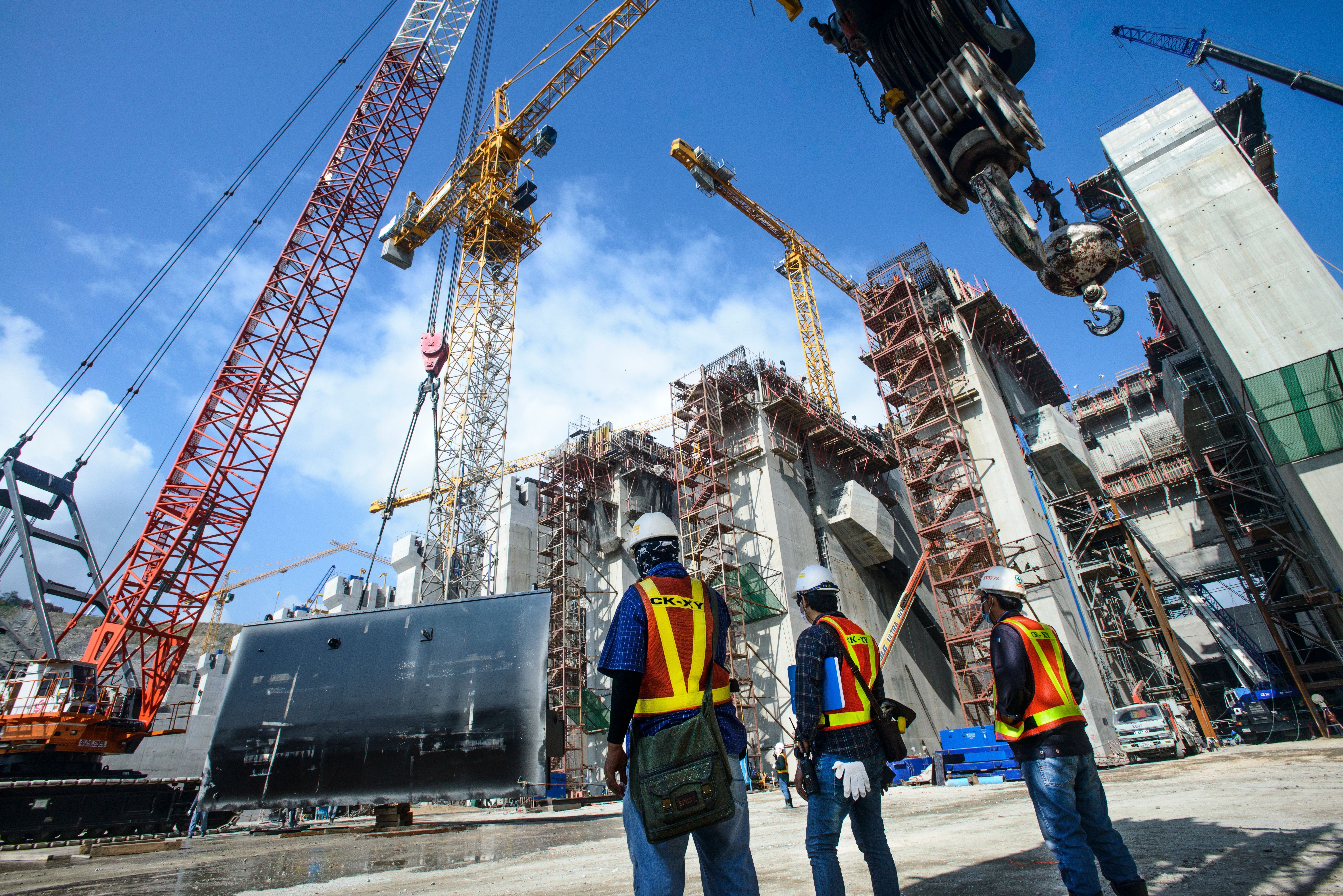
Construction projects are inherently complex, involving numerous stakeholders, intricate contracts, and various regulatory requirements. Navigating the legal landscape of these projects requires a deep understanding of construction law and a strategic approach to manage potential disputes and risks. By engaging expert construction law services, project stakeholders can ensure compliance, mitigate risks, and successfully resolve disputes, ultimately safeguarding their investments and interests.
Understanding Construction Law
Construction law encompasses all legal issues related to the construction of buildings and other infrastructure. Key areas include contract negotiation, project planning, execution, and dispute resolution. It involves an understanding of:
- Contract Law: Drafting and reviewing construction contracts to ensure they reflect the agreed terms and mitigate potential disputes.
- Regulatory Compliance: Ensuring adherence to local, national, and international construction regulations and standards.
- Dispute Resolution: Utilizing mediation, arbitration, or litigation to resolve disputes efficiently.
- Risk Management: Identifying potential risks and implementing strategies to minimize them.
For further insights, discover expert strategies here.
Tailored Legal Solutions for Construction Projects
Each construction project is unique, requiring tailored legal solutions that address specific challenges and objectives. Effective construction law services offer customized strategies, focusing on:
- Comprehensive Risk Assessment: Conducting thorough risk assessments to predict and manage potential challenges.
- Strategic Contract Management: Developing and managing contracts that accurately reflect the project’s scope and terms.
- Dynamic Dispute Resolution: Implementing flexible resolution methods to handle disputes swiftly and effectively.
Learn about our tailored solutions.
Advanced Dispute Resolution Techniques
Disputes in construction projects can be costly and time-consuming. Employing advanced dispute resolution techniques can mitigate these impacts. Key methods include:
- Mediation: A voluntary process where a neutral third-party helps disputing parties reach a mutually agreeable solution.
- Arbitration: A binding process where an arbitrator makes a decision that is enforceable in court.
- Litigation: Traditional court proceedings, often used as a last resort due to its time and cost implications.
Explore advanced guides and tips on dispute resolution.
The Importance of Regulatory Compliance
Adhering to regulatory requirements is crucial in the construction industry, as non-compliance can lead to legal penalties and project delays. Construction law services ensure compliance by:
- Staying Informed: Keeping up with the latest regulations and standards affecting construction projects.
- Implementing Best Practices: Applying industry best practices to meet and exceed regulatory requirements.
- Regular Audits: Conducting regular compliance audits to identify and rectify potential issues.
Find out more about this approach to regulatory compliance.
Conclusion
Engaging expert construction law services is essential for the successful management and completion of construction projects. By offering comprehensive solutions tailored to the unique needs of each project, these services help stakeholders navigate complex legal landscapes, ensure compliance, and resolve disputes efficiently. For those involved in construction projects, understanding and utilizing these services can make a significant difference in achieving project goals and protecting investments.
